Ever wondered how your favorite gaming studios keep the lights on and develop those incredible titles you love, especially when so many games are free to play or part of a subscription? As US gamers, we often invest significant time and some money into our digital worlds, balancing gaming with jobs and family. Understanding the economics behind the games helps us appreciate the intricate strategies studios employ to stay afloat and innovate. From microtransactions that enhance gameplay to powerful subscription models and savvy advertising, the ways game developers generate revenue are more diverse and sophisticated than ever. This comprehensive guide will peel back the curtain on how gaming studios truly make money, offering insights into monetization trends, business models, and the financial engines driving the industry. Discover why certain strategies are favored and how they impact the games you play, ensuring you stay current without the hype. We'll explore everything from direct game sales to the booming influence of mobile gaming and social features, providing a clear picture for the average gamer looking for value and performance.
How do gaming studios make money beyond just selling games?
Gaming studios diversify their income through various strategies beyond initial game sales. These include microtransactions for in-game items, subscriptions like Game Pass, in-game advertising, and leveraging their brand through esports and merchandise. The 'games as a service' model, which focuses on continuous content updates and player engagement, has become particularly prevalent, ensuring revenue streams long after a game's launch.
What are microtransactions and why are they so common in games?
Microtransactions are small, optional purchases made within a game, often for cosmetic items like skins, emotes, or convenience features. They are common because they allow studios to monetize free-to-play games, offer players personalization, and provide ongoing revenue for live service titles. They cater to a player's desire for unique content or to save time, becoming a significant income driver across many platforms, particularly mobile and online multiplayer games.
Do free-to-play games make more money than traditional paid games?
Often, yes. Free-to-play (F2P) games can generate more revenue by attracting a massive player base due to no upfront cost. While only a fraction of players spend money, their cumulative spending on microtransactions, battle passes, and advertisements can significantly surpass the fixed price revenue of a paid game. This model thrives on high player volume and optimized in-game economies, notably dominating the mobile gaming market.
How do gaming subscription services like Game Pass contribute to studio revenue?
Subscription services provide studios with predictable and consistent revenue through licensing fees, upfront payments, or royalties based on player engagement. For games included on day one, it guarantees a financial return regardless of individual sales. This model broadens a game's audience by making it accessible to subscribers, potentially increasing player numbers and overall brand exposure, which is vital for sustained development.
What is the role of in-game advertising in how studios make money?
In-game advertising serves as a crucial revenue stream, particularly for mobile and some free-to-play PC/console games. It includes rewarded video ads, banner ads, and integrated product placements. These ads help subsidize development costs, allowing games to remain free for players. The key is to implement ads thoughtfully, balancing revenue generation with a non-disruptive player experience, often by making ads optional for in-game rewards.
Are esports and merchandise significant income sources for game developers?
Yes, for games with strong competitive scenes or popular intellectual property, esports and merchandise can be significant. Esports generates revenue through sponsorships, media rights, and event-related in-game purchases, fostering a vibrant ecosystem. Merchandise, like apparel and collectibles, capitalizes on player loyalty and extends a game's brand presence, providing additional income and reinforcing player connection beyond the digital realm.
How do smaller indie studios monetize their games effectively?
Indie studios often rely on diverse, community-focused monetization strategies. These include direct premium sales of unique, high-quality games, leveraging crowdfunding platforms like Kickstarter, offering early access programs with founder packs, and securing deals for inclusion in subscription services. Their success often stems from strong community engagement, transparent development, and delivering innovative gameplay that caters to niche audiences, allowing them to compete without the large-scale budgets of major publishers.
For many of us, gaming is that perfect escape after a long day, a way to unwind, connect with friends, or challenge our skills. But as we balance demanding jobs, family life, and everything in between, we also become increasingly mindful of where our hard-earned cash goes. We love our games, but have you ever paused to think about how the studios behind them actually keep making new, amazing experiences? It’s not just about selling a game once anymore. The world of gaming revenue is far more complex and fascinating than it appears on the surface, especially in 2026.
You’re not alone if you’ve pondered this. With 87% of US gamers regularly engaging and averaging over 10 hours a week, and mobile gaming continuing its dominance, understanding the financial gears turning behind the scenes can offer a fresh perspective on the value we get and the choices studios make. From free-to-play titans to subscription powerhouses, studios are constantly innovating their business models to deliver content, optimize performance, and foster vibrant communities. This guide cuts through the noise to explain exactly how gaming studios make money, giving you the insider knowledge to make smarter gaming decisions and truly appreciate the industry's intricate dance of creativity and commerce.
How Do Gaming Studios Really Make Money Beyond Just Selling Games?
While direct game sales remain a foundational income stream, they are just one piece of a much larger and increasingly diversified pie. Modern gaming studios employ a wide array of strategies to generate revenue, adapting to player preferences and technological advancements. The industry has shifted significantly, with a strong emphasis on continuous engagement and value delivery post-launch.
Today, many studios thrive on a 'games as a service' model, where the initial sale is merely the beginning of a player's journey and a studio's revenue stream. This approach focuses on keeping players engaged over long periods through new content, events, and community features. Diversification is key for financial stability and growth in a highly competitive market.
What Are Microtransactions and Why Are They So Common?
Microtransactions are small purchases made within a game, ranging from cosmetic items like character skins and emotes to quality-of-life improvements or time-savers. They have become incredibly common because they offer players personalized experiences and allow studios to monetize games that might otherwise be free or have a lower upfront cost. For a gamer balancing life, these can sometimes be a quick way to unlock progress without grinding.
These purchases are highly effective because they tap into player desires for personalization, progression, and social recognition. Studios carefully design microtransaction systems to be non-intrusive yet appealing, often integrating them into seasonal passes or limited-time offers to encourage engagement. They represent a significant portion of revenue for many titles, especially in the mobile and free-to-play segments.
Do Free-to-Play Games Actually Make More Money Than Paid Ones?
In many cases, yes, free-to-play (F2P) games can generate significantly more revenue than traditional paid titles. The F2P model lowers the barrier to entry, attracting a massive player base that might not have otherwise tried the game. While only a small percentage of players (often called 'whales') spend money, their collective spending on microtransactions, battle passes, and advertisements can vastly outweigh the revenue from a paid game's fixed price.
Consider mobile gaming, where F2P dominates. These games often make billions annually. The sheer volume of players, combined with highly optimized monetization strategies, allows F2P titles to achieve staggering financial success. This model is particularly appealing to gamers on a budget or those looking to sample games before committing.
How Do Subscriptions Like Game Pass Impact Studio Revenue?
Subscription services, prominently led by platforms like Xbox Game Pass, have a transformative impact on studio revenue, especially for titles included in their libraries on day one. Instead of relying solely on individual game sales, studios receive upfront payments, licensing fees, or per-player engagement royalties from the subscription provider.
This model provides a predictable and consistent revenue stream, which can be invaluable for development planning and financial stability. It also exposes games to a much wider audience, potentially boosting player numbers and word-of-mouth. For gamers, it's a value proposition that offers a vast library for a flat monthly fee, allowing us to try new games without a full price commitment.
What Role Does In-Game Advertising Play in the Modern Gaming Economy?
In-game advertising plays a substantial role, particularly in the mobile gaming sector and increasingly within some console/PC free-to-play titles. These ads can range from banner ads and rewarded video ads (where players watch an ad for an in-game bonus) to more subtle, integrated product placements. While often maligned, when done thoughtfully, they can provide critical revenue without requiring direct player spending.
Studios often leverage advertising to subsidize development costs for F2P games, allowing them to remain accessible to everyone. The challenge lies in balancing monetization through ads with maintaining a positive player experience. Savvy developers ensure ads are optional or minimally intrusive, particularly for their core audience who prioritize immersion.
Are Esports and Merchandise Significant Income Sources for Developers?
While not the primary revenue stream for all studios, esports and merchandise can be highly significant for titles with a strong competitive scene or iconic intellectual property. For games like Valorant or League of Legends, esports generates revenue through sponsorships, media rights, and in-game items tied to events. This creates a powerful ecosystem that enhances player engagement and viewership.
Merchandise, including apparel, collectibles, and accessories, capitalizes on player loyalty and the desire to showcase their favorite games. These avenues extend a game's brand beyond the screen, fostering deeper connections with the player base and providing additional income. Both contribute to a game's longevity and cultural impact, especially among passionate communities of gamers.
How Do Smaller Indie Studios Compete with Big Publishers' Monetization Strategies?
Indie studios often rely on innovative, community-driven, and niche monetization strategies to compete. They might leverage crowdfunding platforms like Kickstarter, offer early access programs with founder packs, or focus on a premium, one-time purchase model for unique, high-quality experiences. Strong community engagement is their biggest asset.
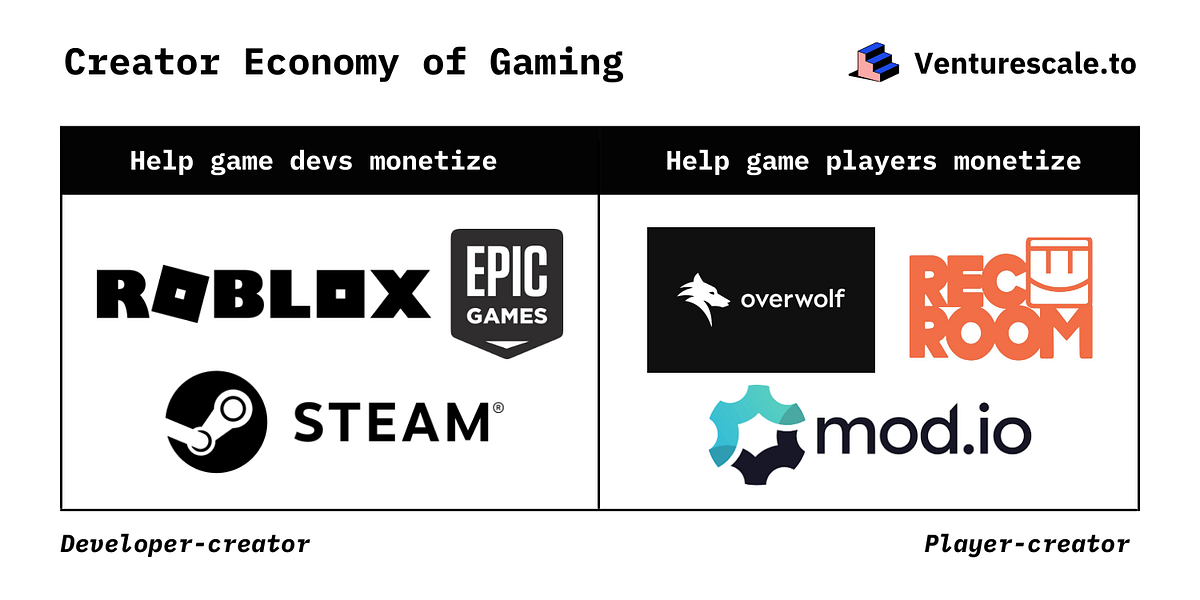
Many successful indies build passionate fanbases through transparent development, direct communication, and delivering unique gameplay mechanics that larger studios might overlook. They also find success through partnerships with platforms like Steam or Epic Games, participating in sales, or securing deals for inclusion in subscription services. Their strength lies in agility, creativity, and direct connection with their players.
What About Live Service Games? How Do They Keep Making Money?
Live service games, like Fortnite or Apex Legends, are designed for continuous engagement and monetization post-launch. Their core strategy revolves around regular content updates—new seasons, characters, maps, events, and cosmetic items—that keep players coming back. This consistent stream of fresh content fuels recurring purchases.
Battle Passes, which offer tiered rewards for playing and completing challenges, are a common and highly effective monetization tool. These games also heavily feature in-game stores with rotating cosmetic items, relying on scarcity and desirability. The goal is to cultivate a loyal player base that invests both time and money over many years, turning a single game into a perpetual revenue generator.
Conclusion
The gaming industry in 2026 is a vibrant, evolving landscape, and understanding how gaming studios make money helps us appreciate the intricate balance between creativity, technology, and business. From the initial sale to the smallest in-game purchase, every transaction fuels the next generation of games we love. Studios are constantly innovating, finding new ways to engage us, offer value, and ensure they can continue creating the immersive experiences we cherish, all while balancing their budgets and delivering performance.
For us gamers, knowing these strategies helps us make more informed decisions about where we invest our time and money, ensuring we get the most out of our gaming experiences without feeling overwhelmed by hype. It's about value for money, skill-building, and connecting with others in a thriving digital world. What's your biggest gaming challenge when it comes to balancing enjoyment with smart spending? Comment below and let's discuss!
FAQ Section
Q: What is the most profitable monetization model for gaming studios currently?
A: Currently, hybrid models that combine free-to-play with in-game purchases (microtransactions, battle passes) and sometimes advertising, particularly on mobile and live service games, tend to be the most profitable, attracting broad audiences and high spending from engaged players.
Q: Do all game genres use the same monetization strategies?
A: No, monetization strategies vary significantly by genre. RPGs might lean on expansions and cosmetic microtransactions, while mobile puzzle games often use ads and energy systems. Competitive multiplayer games excel with battle passes and character skins, catering to different player motivations and spending habits.
Q: How do game studios balance monetization with player experience?
A: Successful studios prioritize player experience by making monetization optional, fair, and enhancing gameplay rather than impeding it. They focus on cosmetic items or convenience features, avoiding
Diversified revenue streams beyond direct sales; prominence of in-game purchases and microtransactions; rise of subscription services like Game Pass; significant income from mobile game ads and premium features; impact of esports and merchandise; importance of live service games; indie studio monetization strategies.
34


How Game Studios Make Money In 2026 AAA Indie Live Service 2026 . Game 7 Powerful Ways To Make Money In 2026 Game 7 Ways To Make Money 2026 1.webp. The 10 Best Play To Earn P2E Games To Play In 2026 Full Guide Google AI Studio 2025 11 16T19 35 15.986Z 1 1024x559 . Ultimate Guide To Make Money With AI In 2026 Proven Strategies ChatGPT Image Feb 14 2026 12 36 38 PM . How To Make Money With AI In 2026 Without Coding No Stress How To Make Money With Ai In 2026


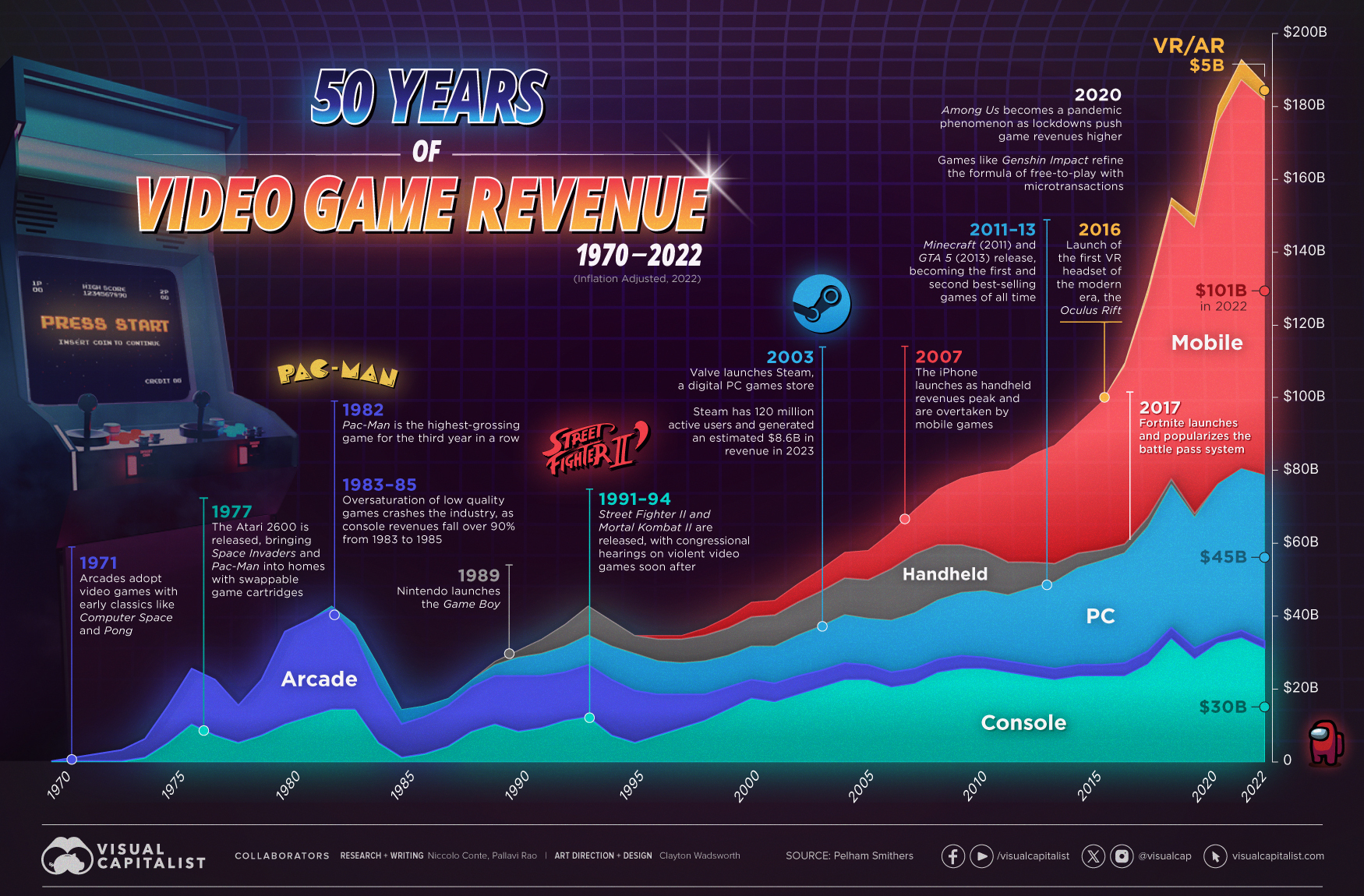
How To Make 2026 The Year You Finally Master Your Money NerdWallet . How To Make Money Playing Video Games In 2026 10 Idea How To Make Money Playing Video Games In 2026 10 Idea.webp. US Debt Nears 40 Trillion As The Market Enters A New Thumb2 2026 New Year 4k Market 2026 2026 3d Digits Made From Metal Bitcoin Golden Coin . How To Make A Roblox Game In 2026 Beginner Guide How To Make A Roblox Game In 2026 Beginner Guide 1024x683 . Charted Video Game Industry Revenues By Year Platform 50 Years Of Video Game Revenue Dec 31
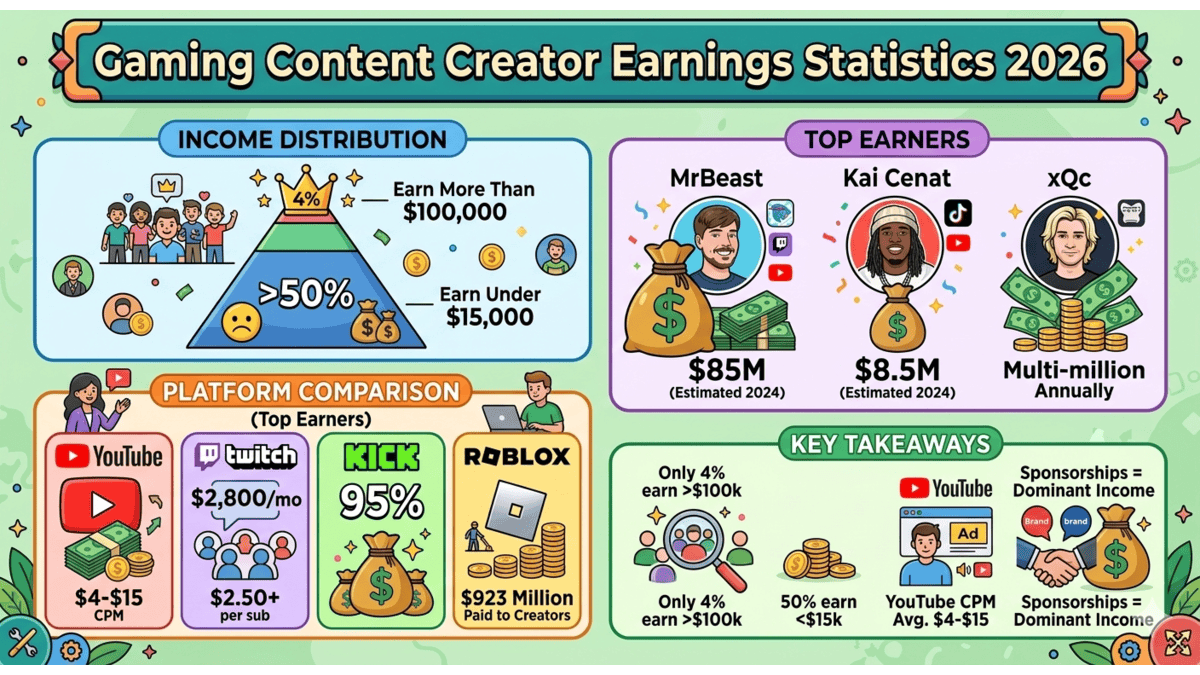
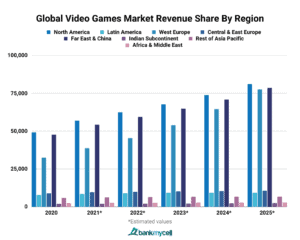

Gaming Content Creator Earnings Statistics 2026 Gaming Content Creator Earnings Statistics 2026 . Video Game Industry Revenue Market Share 2026 S29 6 Video Game Revenue By Region 300x240 . 9 Best Real Earn Money Games To Play In 2026 Make Extra Money 9 Best Real Earn Money Games To Play In 2026 . How To Make Money Fast In Thrifty Business The Ultimate 2026 Economy Guide Game Blog How To Make Money Fast In Thrifty Business The Ultimate 2026 Economy Guide.webp. Ways To Make Money Gaming Categories In 2025 Download 4 750x422

How To Earn Money Online In 2026 How To Earn Money Online In 2026. What The Video Games Market Looks Like In 2024 ECDB Video Game Market Revenue Worldwide 2019 2026 12157 . What Is Roblox Money ID And How Does It Work Ae983c77 Ea65 4314 997c . Video Game Industry Statistics 2024 An In Depth Analysis Of Growth VG Industry Revenue . How To Make Money On Roblox 2026 Creator Guide How To Make Money On Roblox


As Microsoft Sells Game Studios Xbox CEO Asha Sharma Says It Is Not Xbox CEO Asha Sharma . How To Make Money On Roblox 2026 Creator Guide How To Make Money On Roblox Developing And Monetizing Games.webp. 10 Proven Methods To Make Money With NFTs In 2026 How To Make Money With NFTs In 2026 10 Proven Methods That Still Work . Video Game Industry Revenue Market Share Apr 2023 S29 2 Forecasted Revenue 768x576 . Startup Ideas Creator Economy Of Gaming Game By Zoe 1*T 17SJQOD



Top Game Models For Designers In 2026 Hitem3D Hi3D Blog Pasted 354 . Sweepstakes Casino Game Providers Software Sweepstakes Casino Game Providers. How To Make Money On Roblox 2026 Creator Guide How To Make Money On Roblox. Video Game Industry Revenue Market Share 2026 S29 2 Forecasted Revenue 768x615 . Make Money Selling Photos On Complete Guide For Beginners How To Earn Money From Stock Photos On
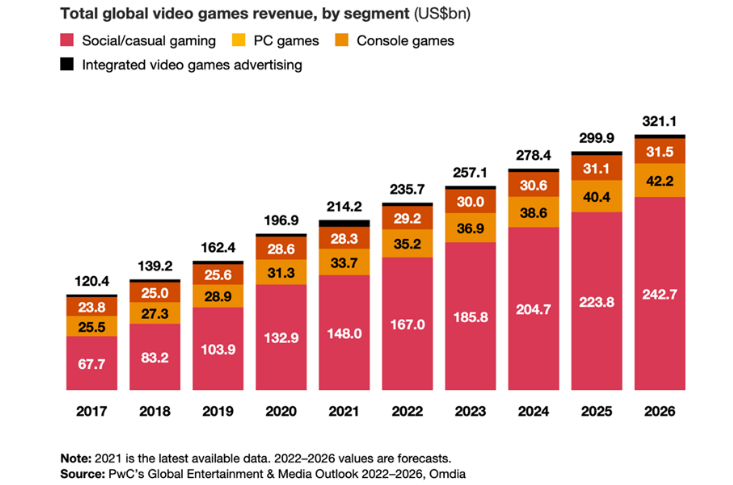
How Do Gaming Companies Make Money Gamixlabs How Do Gaming Companies Make Money.webp. Devtodev Game Market Overview The Most Important Reports Published 32 Game Market Revenue Forecast 2026 . Gaming Boomed In Lockdown And Market Value Will Reach 320bn World . Video Gaming Report 2026 The Next Era Of Growth BCG 90