- What is IP geolocation and how does it work? IP geolocation is the process of determining the geographic location of a device based on its IP address. It works by matching the IP address against a database that maps IP ranges to physical locations, typically provided by ISPs and updated regularly.
- How accurate is Map By Ip Address data in 2026? In 2026, IP geolocation offers varying accuracy. While it can pinpoint a country or region with high reliability, city-level accuracy is common, and street-level precision is rare. VPNs and mobile networks can also affect accuracy.
- What are the primary uses for mapping by IP address? Businesses use IP mapping for fraud detection, targeted advertising, content personalization, and digital rights management. Individuals might use it for cybersecurity, checking email origins, or understanding their own online footprint.
- Can I track a person's exact location using their IP address? No, you cannot track a person's exact, real-time location to a specific street address using only an IP address. IP geolocation provides a general geographic area, not precise GPS coordinates. It identifies the network origin, not the individual.
- Are there privacy concerns when you Map By Ip Address? Yes, privacy is a significant concern. While IP addresses are public, linking them to an individual without consent or proper legal grounds raises privacy issues. Ethical use and adherence to data protection regulations like GDPR and CCPA are crucial.
- What is the difference between static and dynamic IP addresses in relation to mapping? Static IP addresses remain constant, making their mapped location more stable. Dynamic IP addresses change periodically, which can lead to variations in mapped location over time, requiring updated geolocation databases for accuracy.
- What tools are best for enterprise-level IP geolocation in 2026? For enterprise needs in 2026, tools like MaxMind GeoIP2, IP2Location, and services like Google Geolocation API offer robust, highly accurate databases and APIs. They provide extensive data points beyond just location, crucial for business intelligence and security operations.
Ever wondered about the invisible threads connecting digital devices to real-world geography? Mapping by IP address in 2026 is an increasingly sophisticated game changer for businesses, cybersecurity pros, and even the everyday user. This isn't just a geeky parlor trick; understanding how to Map By Ip Address unlocks powerful insights, from geo-targeting marketing campaigns to bolstering fraud detection systems. Picture this: a quick search reveals where your website visitors are really coming from, or helps you trace a suspicious login attempt to a specific region. It's about pulling back the curtain on your digital interactions. This guide cuts through the technical jargon, offering clear, actionable strategies. We'll explore how these digital breadcrumbs paint a geographic picture, what tools are leading the pack, and how you can leverage this information responsibly and effectively. Get ready to master the art of digital cartography, bringing clarity to your online world.
- How does an IP address relate to a physical location? - An IP address points to a general geographic area, often the internet service provider's registered location. It's not always precise to a street address but can indicate city, region, and country. This mapping relies on databases that link IP ranges to known locations, updated regularly by services that Map By Ip Address data.
- Is it legal to Map By Ip Address a person's location without their consent? - Mapping an IP address, which is generally public information, to a city or region is typically legal. However, using this data to identify an individual or link it to personal information without their explicit consent can raise significant privacy concerns and potentially violate data protection laws like GDPR or CCPA. Always check local regulations.
- What kind of data can I get when I Map By Ip Address? - When you Map By Ip Address, you can typically obtain data such as country, region, city, postal code, latitude, longitude, ISP (Internet Service Provider) name, organization, and connection type. Premium services offer even more granular details, but street-level accuracy is usually not available.
- Can I use Map By Ip Address data for targeted advertising? - Absolutely. Many businesses use IP geolocation data to target advertising campaigns, offering localized content or promotions to users based on their estimated geographic location. This helps ensure relevance for the audience and improves campaign effectiveness, adhering to ethical advertising standards.
- What are the main drawbacks of using IP geolocation? - The main drawbacks include limited accuracy, especially for residential users or mobile devices, and the impact of VPNs or proxies which mask the true location. Additionally, IP address databases require constant updates, and outdated information can lead to incorrect geolocation data. It's not a substitute for GPS.
- How often are IP geolocation databases updated? - IP geolocation databases are updated frequently, often daily or weekly, by providers like MaxMind and IP2Location. This constant refreshment is crucial because IP addresses can change, ISPs adjust their networks, and new IP blocks are assigned. Regular updates ensure the most accurate Map By Ip Address data possible in 2026.
Ever feel like you’re flying blind in the digital world, curious about where your online interactions truly originate? In 2026, the ability to Map By IP Address isn't just a niche skill for network engineers; it's a vital tool for anyone navigating our interconnected planet. From spotting unusual login attempts to tailoring content for a specific audience, understanding IP geolocation opens up a world of insights. This guide is your no-fluff pass to grasping the how-to, the why, and the need-to-know of IP mapping, all without getting bogged down in jargon.
The Core Problem: Unmasking Digital Geography
In our hyper-connected reality, knowing the physical location behind a digital interaction can feel like trying to catch smoke. IP addresses, those numerical labels assigned to every device on a network, offer a clue, but they don't scream a street address. They're more like a postal code for the internet. For businesses, this lack of immediate clarity hinders everything from localized advertising to fraud prevention. For individuals, understanding where an email sender or a website server actually resides can be a significant privacy or security concern. The challenge lies in translating a string of numbers into something tangible, something you can actually see on a map. This often requires specialized tools and a solid grasp of their capabilities and, crucially, their limitations.
How to Map By IP Address: Your Tactical Playbook
Mapping an IP address to a geographic location boils down to using specialized databases and services that correlate IP ranges with physical locations. Think of these as vast digital atlases constantly updated by internet service providers and dedicated geolocation companies. The process is usually straightforward once you have the IP address in hand.
The Tools of the Trade for IP Mapping
There are numerous services and APIs designed to Map By IP Address. Some are free, offering basic city-level data, while others are premium, providing highly detailed insights down to the postal code, company, or even connection type.
- Web-based IP Lookup Tools: Websites like IPLocation.net or WhatIsMyIPAddress.com offer quick lookups. You simply paste an IP, and it displays the estimated location. These are fantastic for casual checks.
- Geolocation APIs: For developers or businesses needing automated lookups, services like MaxMind GeoIP2, IP2Location, and Abstract API's IP Geolocation API provide robust APIs. These can be integrated into applications for real-time data processing, allowing dynamic content delivery or automated fraud flagging.
- Command Line Tools: For the tech-savvy, utilities like
tracerouteorpingcan offer clues by showing network hops, though they don't directly Map By IP Address to a single point.
Step-by-Step: Performing an IP Geolocation Lookup
The actual process is surprisingly simple:
- Obtain the IP Address: This is the first hurdle. If it's your own IP, a quick Google search for 'what is my IP' will do the trick. For website visitors, server logs typically capture IP addresses. For emails, examining email headers often reveals sender IP information.
- Choose Your Tool: Decide between a quick web lookup, an API for integration, or a more sophisticated software solution depending on your needs.
- Input the IP: Paste the IP address into your chosen tool.
- Interpret the Results: The tool will return a range of data: country, region, city, sometimes even latitude and longitude coordinates. Many tools also provide ISP details and organization names.
Understanding Accuracy and Limitations
It’s crucial to set realistic expectations when you Map By IP Address. IP geolocation is not GPS. While GPS offers pinpoint accuracy, IP mapping typically provides city-level accuracy for most residential connections. Corporate IPs might be more precise, often pointing to a company's data center or office location. Mobile IPs can be tricky as they often route through large carrier networks, leading to less precise results. Factors like VPNs, proxy servers, and dynamic IP assignments can also obscure the true physical location.
The Future Outlook: AI & Advanced IP Mapping
Looking ahead, the landscape of IP mapping is constantly evolving. AI and machine learning are poised to make these tools even smarter, refining accuracy by analyzing vast datasets and identifying patterns traditional methods might miss. We're seeing a shift towards predictive geolocation, where systems attempt to infer user location based on browsing habits and other non-IP signals, alongside IP data. However, this also brings common pitfalls: over-reliance on a single data source can lead to skewed insights. Always cross-reference and remember that privacy regulations, like GDPR and CCPA, are becoming stricter. Businesses must tread carefully, balancing valuable insights with user data protection. Ignoring privacy implications or misinterpreting data can lead to legal headaches and erode user trust. The key is responsible use and continuous education on best practices for IP data handling.
Your Digital Compass: Charting a Course with IP Data
Mastering how to Map By IP Address provides a powerful digital compass for navigating the internet's vast terrain. Whether you're a business owner optimizing for local markets, a security analyst thwarting cyber threats, or simply curious about your digital footprint, the ability to understand and interpret IP location data is invaluable. This isn't just about identifying a point on a map; it's about gaining context, enhancing security, and personalizing digital experiences. Keep these tools in your kit, stay informed about evolving privacy standards, and you'll be well-equipped to make smarter, more informed decisions in our increasingly interconnected world.
Frequently Asked Questions
Where can I find reliable tools to Map By Ip Address for accurate geographic insights in 2026?
You can find reliable tools from industry leaders like MaxMind, IP2Location, and Abstract API's IP Geolocation API. These services offer both free and paid options, providing varying levels of detail for mapping by IP address data. Always consider their data update frequency for the best results.
How do popular digital Maps visualize the location data obtained when I Map By Ip Address?
Major map applications like Google Maps or Apple Maps don't directly Map By Ip Address for user display. Instead, they primarily use GPS or WiFi. However, services that *do* map by IP provide coordinates that *can* be plugged into these map apps for visualization. Think of it as supplying the address to your navigation.
What are the key considerations for accuracy when you Map By Ip Address?
IP geolocation isn't GPS. Expect city-level accuracy rather than street-level, especially for residential IPs. Factors like VPNs, proxy servers, and dynamic IP assignments can significantly impact precision. Using multiple IP lookup services can provide a clearer picture when you Map By Ip Address.
Key IP Geolocation Service Comparison
| Service Name | Key Feature / Accuracy Level | Typical Use Case |
|---|---|---|
| MaxMind GeoIP2 | High accuracy, global coverage, city/postal code | Fraud detection, targeted advertising |
| IP2Location | Extensive database, various data packages | Analytics, content localization |
| Abstract API | Developer-friendly API, fast and reliable | Automated lookups, real-time applications |
| IPGeolocation.io | Free and paid tiers, robust API | Small businesses, individual researchers |
| WhatIsMyIPAddress.com | Quick, free web lookup, basic info | Casual checks, personal use |
- Service Name: MaxMind GeoIP2
- Key Feature / Accuracy Level: High accuracy, city/postal code level
- Service Name: IP2Location
- Key Feature / Accuracy Level: Extensive database, good for business data
- Service Name: Abstract API
- Key Feature / Accuracy Level: Developer-focused, fast API responses
- Service Name: IPGeolocation.io
- Key Feature / Accuracy Level: Good free tier, easy integration
Unlock geographic insights from any IP address with ease. Understand the fundamental differences between IP geolocation and GPS for realistic expectations. Discover the top-tier tools and services for accurate IP mapping in 2026. Learn to identify potential fraud and enhance cybersecurity efforts using location data. Leverage Map By Ip Address data to personalize content and refine marketing strategies. Grasp the critical privacy implications and ethical considerations when working with IP location data.

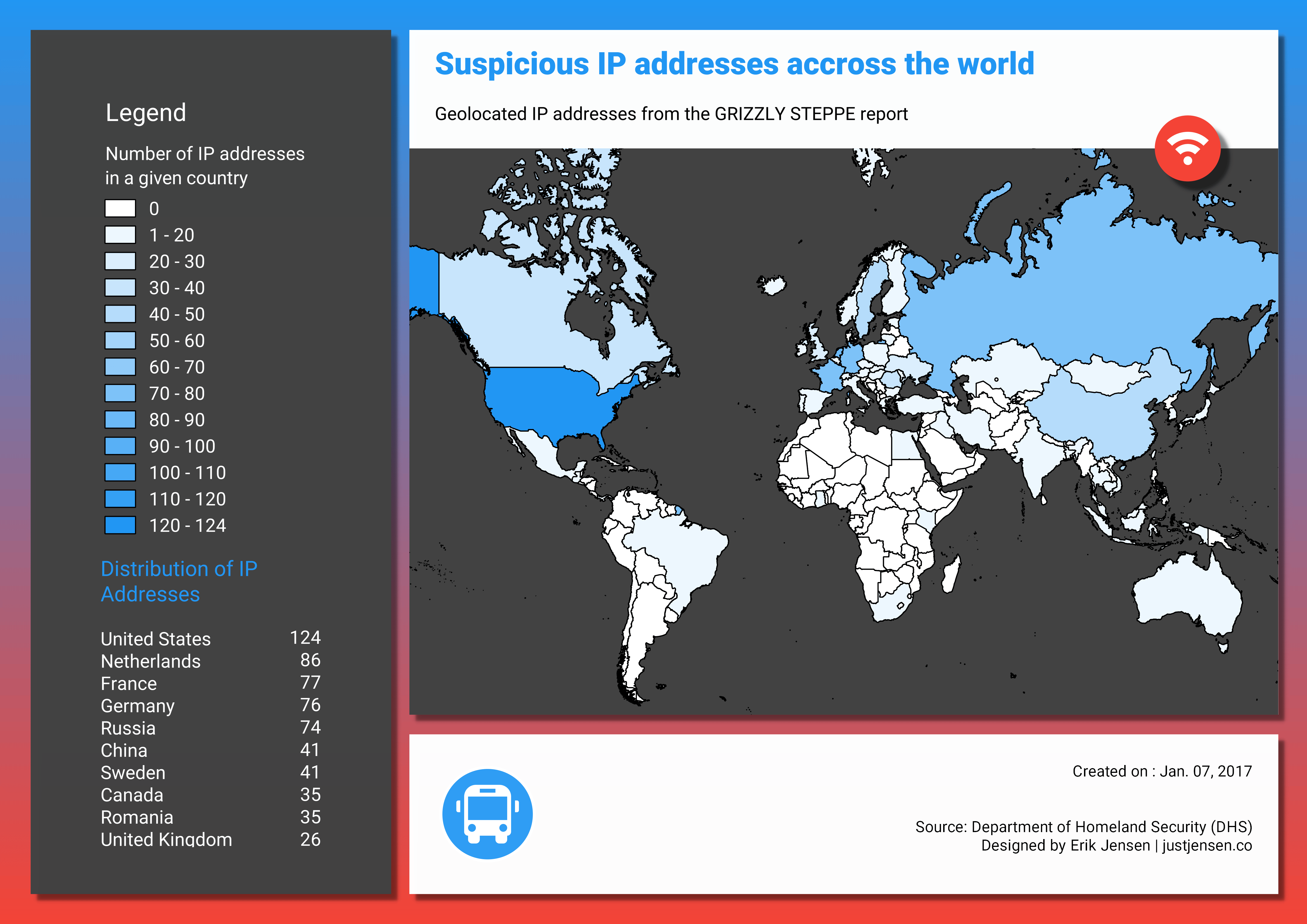
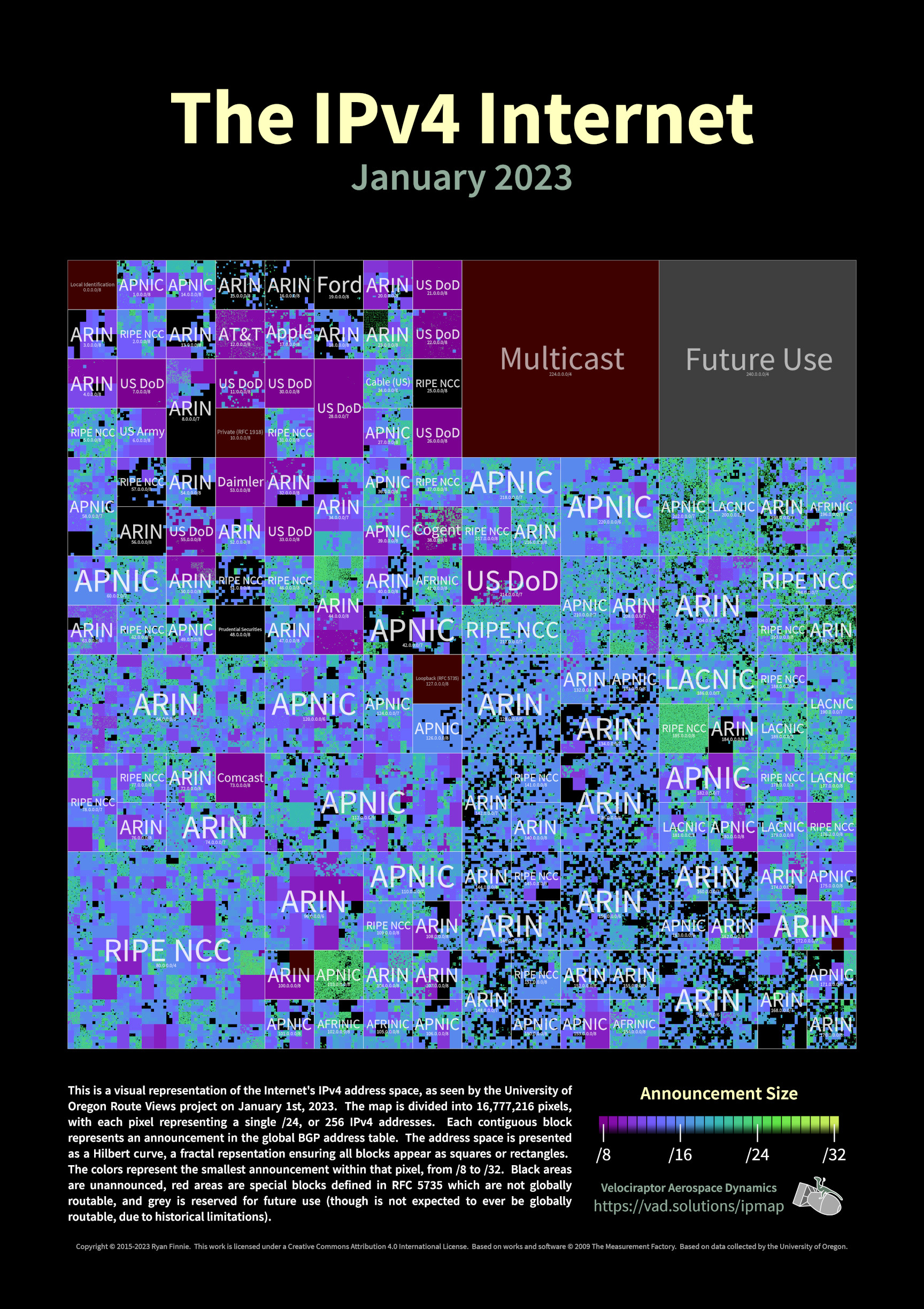
How To Track Exact Location Of IP Address Youtube Maxresdefault Learn Visualize Addresses Ipinfo Blog Io Abusive Map World Ipaddressmap In Bulk By Geocoding Featured Geolocate The An WDUM 2023 IPV4 72DPI 2023 IPV4 72DPI EF4UU3EZVTD1DGBW2OBPCA Study IPV4 Allocation Continents IP2LOCATION Com IPV4 2016 Overlay IPV4 2016 Geolocation Mapping Maptive Security Threats Millions Geographic Locations Rishav H9RGZMIGSMTC5AWQABC Zg H9RGZMIGSMTC5AWQABC IP2LOCATION Batch Service Documentation Screenshot Ipl Whose CIDR Is It Anyway Ipcount Country Infographic.


Holftalent Blog Snapshot Map Any IP Address On Your Network Youtube Maxresdefault Learn How To Visualize Addresses Ipinfo Io Single World 2013 Hilbert Plot 2013 Best Tracker Tools For 2026 Paid And Free Iptrackeronline Results Get An Indian In 2026 That Doesn T Blocked Locate A Cellstream Inc Ipfingerprint Ph Ng P M Ch B C V I H Nh Mytour Trace Step Version Maps Location Where Is Located ATLG Og MAPIP2LOCATION Internet 2007 Ips Country With NET IP2LOCATION Dot IP2LOCATION Through 2025 American Registry Numbers 2025.


How To Calculate Subnet Mask And Gateway From Ip Address Calculator Schedule Scaled Mapping Tools Are Transforming Real Time User Targeting In 2026 Maps Ronde Teak 2026 Rally Com 2026 Fb 2026 What Is My Public Free Lookup 2026 Tracemyiponline 1777280741 Featured BB 1777280741 Find Your Location On A Detailed Map 18f683851df0c762863177d93bd23953 Someone S Safely Legally Accurately Geospan Gis Technology 2026 Geolocation 2026 1777206468 D2 1777206468 D2 World IPV4 2007 2016 IPV4 2007 2016 Locator Visualize With For Locations Reverse Maxresdefault Track An YINSBK Addresses OVERVIEW1.