Explore the intricate Miami Florida US Map for 2026, revealing key navigational pathways and essential local insights. This comprehensive guide helps visitors and residents alike master the dynamic urban landscape of Miami. Understand the city's growth patterns, new infrastructure projects, and how to best traverse its vibrant neighborhoods. Discover optimal routes for tourist attractions, business districts, and residential areas across this iconic South Florida metropolis. Our updated mapping information provides critical data for efficient travel and exploration. Learn about the latest transportation updates and regional connectivity, ensuring a smooth experience navigating Miami's ever-evolving geographical layout. Plan your adventures with confidence using these detailed, up-to-the-minute resources. This article delves into every corner, making your journey seamless and enjoyable in Miami.
miami florida us map FAQ 2026 - 50+ Most Asked Questions Answered (Tips, Trick, Guide, How to, Bugs, Builds, Endgame)
Welcome, fellow explorers and strategic navigators, to the ultimate living FAQ for the Miami Florida US map in 2026! We’ve scoured forums, social media, and talked to countless locals and visitors to bring you the most comprehensive and up-to-date answers. Miami is a city constantly evolving, and staying ahead of its geographical nuances, new developments, and best travel practices is key to unlocking its full potential. Whether you're a first-timer or a seasoned Miamian, this guide is designed to cut through the noise, offering actionable tips, clarifying common misconceptions, and helping you master every corner of this vibrant metropolis. Get ready to navigate Miami like a true pro with the latest insights and tricks for seamless travel and exploration.
Beginner Questions
Is Miami Beach a separate city from Miami on the map?
Yes, Miami Beach is indeed a separate municipality from the City of Miami. It's located on a barrier island across Biscayne Bay, connected by several causeways. While often perceived as one metropolitan area, they have distinct city governments and characteristics. Knowing this helps you understand the different local regulations and services in each area.
What are the primary highways connecting Miami to other parts of Florida?
The primary highways connecting Miami to the rest of Florida are I-95, which runs north-south along the eastern coast, and Florida's Turnpike. These major routes provide direct access to cities like Fort Lauderdale, Orlando, and points further north. Additionally, US-1 extends south into the Florida Keys and north through coastal towns.
How can I find free public transportation options in Downtown Miami?
Downtown Miami offers a fantastic free public transportation option: the Metromover. This elevated automated people mover circles the downtown core, Brickell, and Omni neighborhoods. It connects major attractions, business districts, and transfer points to Metrorail, making it incredibly convenient for quick trips around the urban center.
What are the major geographical features of Miami-Dade County?
Miami-Dade County is characterized by its low-lying coastal plain, the extensive Biscayne Bay to the east, and the Everglades wetlands to the west. The county includes numerous barrier islands (like Miami Beach) and a vast network of canals. Its flat topography and proximity to the ocean are defining natural features.
Navigation & Routing
What's the best app for real-time traffic navigation in Miami 2026?
For real-time traffic navigation in Miami in 2026, Waze remains highly recommended due to its crowd-sourced updates on traffic, accidents, and police presence. Google Maps is also an excellent choice, offering comprehensive routing with public transit options and detailed street views. Using both can provide the most informed travel decisions.
Are most roads in Miami tolled, and how should I pay for them?
Many major expressways in Miami-Dade County are tolled, including Florida's Turnpike and several state roads like the Dolphin Expressway. The best way to pay in 2026 is with a SunPass transponder, offering automatic deductions and discounts. Toll-By-Plate is also available, but it charges a higher rate and sends a bill by mail.
Myth vs Reality: Is Miami public transport unreliable?
Myth: Miami's public transport is completely unreliable and should be avoided. Reality: While not as extensive as some older major cities, Miami's public transport system (Metrorail, Metromover, Metrobus) is quite reliable for specific routes and offers good coverage, especially within and around downtown. It's a viable option for many destinations, particularly when avoiding traffic.
How do I navigate from Miami International Airport (MIA) to South Beach?
To navigate from MIA to South Beach, take the MIA Mover to the Miami Intermodal Center (MIC). From the MIC, board the Metrorail Orange Line towards Dadeland South, exiting at a downtown station like Government Center. From there, transfer to a Metrobus (e.g., Route 120 Beach Max) that crosses the causeway to Miami Beach. Ride-shares are also common.
Planning & Tips
What neighborhoods are best for walking or cycling in Miami?
For walking or cycling, South Beach, Coconut Grove, Coral Gables (especially around Miracle Mile), and parts of Downtown Miami and Brickell are excellent choices. These areas feature pedestrian-friendly streets, dedicated bike lanes, and beautiful scenery. The Venetian Causeway is also a popular route for cyclists connecting Miami to Miami Beach.
How does Miami's geography impact its vulnerability to hurricanes and sea-level rise?
Miami's low-lying coastal geography makes it highly vulnerable to hurricanes and sea-level rise. Its elevation is close to sea level, and many areas are built on porous limestone, exacerbating storm surge and flooding risks. This vulnerability drives significant investment in climate resilience projects, which are increasingly reflected on updated city maps.
Myth vs Reality: Miami traffic is always gridlocked everywhere.
Myth: Miami traffic is always gridlocked everywhere, all the time. Reality: While Miami certainly has heavy traffic, especially during rush hour on major arteries, it's not universally gridlocked. Strategic planning with navigation apps, utilizing public transport, or traveling during off-peak hours can significantly reduce travel times and frustration. It's manageable with smart choices.
Are there any new road constructions or infrastructure projects impacting the Miami map in 2026?
Yes, Miami is continually undertaking new road constructions and infrastructure projects. In 2026, you'll find ongoing expansions of transit lines, road widening projects, and resilience initiatives to combat sea-level rise. Always check local news and real-time map updates for the latest information on specific closures or detours before traveling. These changes are designed to improve long-term connectivity.
Advanced Navigation & Tech
How is GIS data utilized for urban planning in Miami?
GIS (Geographic Information System) data is extensively utilized in Miami for urban planning. It helps city planners analyze land use, population density, environmental factors, and infrastructure needs. This data supports informed decision-making for zoning, development approvals, and resource allocation, shaping the city's future growth and resilience strategies.
What role does AI play in Miami's 2026 smart city initiatives?
AI plays a significant role in Miami's 2026 smart city initiatives by enhancing various urban services. This includes optimizing traffic flow through predictive analytics, improving public safety with intelligent surveillance systems, and managing utility consumption more efficiently. AI-driven insights help create a more responsive, sustainable, and livable urban environment for residents.
Myth vs Reality: Digital maps are always 100% accurate for Miami.
Myth: Digital maps are always 100% accurate and instantly updated for Miami. Reality: While digital maps are incredibly advanced and frequently updated, Miami's rapid development means there can be a slight lag. New construction, temporary road closures, or subtle changes might not appear instantly. Always cross-reference with local signage and real-time traffic apps for the most current information, especially in rapidly changing areas.
Can I access Miami's GIS data for personal projects or research?
Yes, Miami-Dade County provides an Open Data Hub that offers access to various GIS datasets, including geographical information, property records, and transportation data. This resource is available to developers, researchers, and the general public, fostering transparency and supporting innovation. You can explore and download data for personal projects or academic research.
Endgame Grind (Long-Term Planning)
What are the long-term transportation goals for Miami, and how will they change the map?
Miami's long-term transportation goals focus on enhancing multimodal transit, reducing congestion, and improving connectivity. This includes expanding Metrorail lines, developing more bus rapid transit (BRT) corridors, and creating an extensive network of pedestrian and bike paths. These initiatives will significantly alter future maps, emphasizing sustainable and diverse travel options. The aim is to make the city less car-dependent.
How are resilience efforts against sea-level rise transforming Miami's physical map?
Resilience efforts against sea-level rise are visibly transforming Miami's physical map. Projects include elevating roads and public infrastructure, installing advanced stormwater pumps, and creating natural barriers like mangrove restoration. These changes are literally raising parts of the city and altering drainage systems, making Miami's map reflect a proactive adaptation to environmental challenges. Future maps will feature more green infrastructure.
Myth vs Reality: Miami's growth is only focused on coastal areas.
Myth: Miami's growth is exclusively focused on its glamorous coastal areas. Reality: While coastal areas remain attractive, Miami's growth is increasingly diversified. Inland neighborhoods are undergoing significant revitalization, and suburban areas like Homestead are experiencing rapid expansion. The overall metropolitan area is growing, with investment spreading across various zones, not just the waterfront. This broader development impacts the entire regional map.
What impact do major events like Formula 1 or Art Basel have on Miami's map and traffic patterns?
Major events like Formula 1 or Art Basel have a considerable, albeit temporary, impact on Miami's map and traffic patterns. They lead to significant road closures, especially around event venues (e.g., Hard Rock Stadium for F1) and art districts. These events also dramatically increase pedestrian traffic and demand for public transport. Real-time maps become crucial for navigating these temporary changes and finding alternative routes or parking. Planning ahead is absolutely essential during these peak times.
Still have questions?
Don't stop exploring! Check out our related guides on 'Miami's Best Hidden Gems' or 'Ultimate Guide to Miami Public Transportation 2026' for more in-depth insights. Your Miami adventure is just beginning!
Ever wondered, "What's the best way to truly understand the sprawling beauty and complex infrastructure of Miami, Florida on a US map?" It's a question many ask, whether planning a sun-soaked vacation or a strategic business trip. Miami isn't just a dot on the Florida peninsula; it's a dynamic, evolving metropolis demanding a keen eye for navigation. This vibrant city offers a unique blend of cultures, stunning beaches, and bustling urban centers. Getting around effectively means knowing your way across its distinct districts and intricate road networks. Understanding the Miami map is your key to unlocking all its potential in 2026.
The city's rapid development constantly reshapes its landscape, introducing new landmarks and transportation arteries. From the iconic Art Deco district of South Beach to the high-rise glamour of Brickell, each area presents its own charm. Our comprehensive guide helps you decipher the latest updates and navigate Miami like a seasoned local. We're diving deep into the geographical nuances that make Miami so captivating. Get ready to explore everything from essential routes to hidden gems and pro tips for your next adventure.
Navigating Miami's Dynamic Landscape in 2026
Miami, often called the Magic City, continues its impressive growth trajectory into 2026. The city's geographical footprint on the US map showcases its prime coastal location. This strategic position contributes to its status as a global hub for trade and tourism. Major expressways like I-95 and Florida's Turnpike crisscross the region, connecting diverse communities. Understanding these main arteries is crucial for efficient travel across Miami-Dade County. The area also boasts an extensive public transportation system, including Metrorail and Metromover. These systems provide excellent alternatives to driving, especially in congested downtown areas. New infrastructure projects are continually enhancing connectivity within the metropolitan area. These improvements aim to alleviate traffic and streamline daily commutes for everyone.
Key Districts and Their Geographic Significance
Miami's distinct neighborhoods each possess unique geographical characteristics and attractions. South Beach, on a barrier island, is famous for its beaches and nightlife. Downtown Miami and Brickell form the bustling financial and cultural heartland, sitting directly on Biscayne Bay. Wynwood and the Design District are known for their art and fashion scenes, situated slightly inland. Little Havana offers a rich Cuban cultural experience just west of downtown. Each district provides a different flavor of Miami life and contributes to its diverse appeal. Knowing their locations helps travelers plan their itineraries efficiently. Accessing these areas often involves different transit methods. Proper map knowledge makes navigating between them straightforward and enjoyable. Embrace the varied experiences each corner of Miami offers.
Understanding Miami's Transportation Network
Miami's transportation network is robust, designed to move millions of residents and visitors annually. The Metrorail offers a convenient way to traverse significant portions of the county. The Metromover provides free, automated transit within the downtown core. This system connects key business, retail, and entertainment venues seamlessly. Bus routes extend coverage to almost every neighborhood, offering comprehensive access. For those preferring to drive, navigating the numerous causeways and bridges is common. These structures link the mainland with the barrier islands, facilitating coastal access. Traffic patterns can be challenging during peak hours, so timing is important. Utilizing real-time map applications becomes invaluable for avoiding delays. Planning your routes in advance ensures a smoother journey. Miami is committed to further expanding its multimodal transportation options. Future developments promise even greater connectivity for all.
2026 Updates and Future Developments on the Miami Map
The year 2026 brings exciting new developments impacting how we view the Miami map. Several major infrastructure projects are nearing completion or entering new phases. These include expansions of existing transit lines and new road constructions. The city's commitment to sustainability is also reflected in these plans. There is a growing focus on pedestrian and cyclist-friendly pathways. Smart city initiatives are integrating technology to improve traffic flow and public safety. These advancements will make navigating Miami even more intuitive for residents and tourists. Always check for the latest map updates before embarking on your journey. Digital mapping services usually reflect these changes quickly. Staying informed ensures you leverage the most current information available. Miami truly never stops evolving.
Emerging Neighborhoods and Growth Areas
Beyond the well-known hotspots, Miami continues to see emerging neighborhoods gain prominence. Areas like Overtown and Liberty City are experiencing significant revitalization efforts. These transformations often include new housing, commercial spaces, and public parks. Homestead and Florida City further south are also seeing sustained residential growth. These expansions contribute to the overall metropolitan sprawl and population increase. Developers are investing heavily in these previously overlooked locales. The Miami map will undoubtedly reflect these new community layouts. Observing these growth patterns provides insight into the city's future direction. Urban planners are working to balance development with environmental preservation. This careful approach shapes Miami's next chapter significantly. Discovering these new zones can be an adventure in itself.
Environmental Considerations and Coastal Resilience
Miami's unique geography presents both opportunities and significant environmental challenges. Its low-lying coastal areas are vulnerable to rising sea levels and storm surges. The city is implementing ambitious coastal resilience projects in 2026. These efforts include elevating roads, enhancing drainage systems, and restoring natural habitats. Map data now often includes flood zones and evacuation routes for public safety. Understanding these environmental factors is crucial for long-term urban planning. Tourists and residents should remain aware of potential weather-related advisories. These measures aim to protect Miami's valuable infrastructure and vibrant communities. The city's future heavily relies on these proactive environmental strategies. Adaptation is key to sustaining Miami's allure for generations. Mapping these efforts helps visualize the city's commitment to resilience.
Tips for Maximizing Your Miami Map Experience
To truly master the Miami Florida US map, embrace both traditional and digital tools. Always have a fully charged smartphone with reliable GPS applications. Google Maps, Waze, and Apple Maps provide real-time traffic updates and alternative routes. Don't underestimate the value of a physical map for an overview perspective. Familiarize yourself with major landmarks and geographical features before your trip. This preparation helps you orient yourself even without digital assistance. Consider using public transportation during peak hours to avoid traffic congestion. Parking can be expensive and scarce in popular areas, so plan accordingly. If driving, be aware of toll roads and consider a SunPass for convenience. Staying informed about local events can also impact traffic flow. Miami is a city best explored with a little foresight and preparation. Enjoy every moment of your Miami adventure.
- Always check for construction updates, especially on major highways.
- Use the Metromover for free, easy access around Downtown Miami and Brickell.
- Consider ride-sharing services for short distances or late-night travel.
- Explore neighborhood-specific maps for hidden gems and local eateries.
- Be mindful of one-way streets and complex intersections in older districts.
- Utilize public transportation apps for real-time bus and train schedules.
- Remember that causeways connecting to barrier islands may have tolls.
Common Mistakes to Avoid While Navigating Miami
One common mistake visitors make is underestimating Miami's geographical size and traffic. The metropolitan area is vast, and travel times between districts can be longer than anticipated. Another error is relying solely on intuition in congested areas. Always verify your route with a map application, even for seemingly short distances. Many tourists forget about the significant impact of bridge openings for boat traffic. These occurrences can cause unexpected delays on causeways. Parking fines can also be substantial if rules are not strictly followed. Always read parking signs carefully to avoid costly tickets. Not accounting for rush hour traffic is another frequent pitfall. Planning your travel outside of these busy periods saves considerable time. By being aware of these common issues, you can enjoy a stress-free experience. A little planning goes a long way in Miami.
Miami Florida US Map Q&A 2026: Your Essential Guide
Hey everyone! I’m here to clear up some common questions about navigating Miami. It's a fantastic city, but its map can seem a bit overwhelming. Don't worry, we're going to break it all down. Think of me as your personal guide through the Magic City's twists and turns. We've got everything from basic orientation to advanced travel tips. Let's make sure you're zipping around Miami like a pro in 2026!
Beginner / Core Concepts
1. Q: How do Miami’s major highways connect to the rest of Florida on the US map?A: I get why this confuses so many people, especially with Florida’s intricate road system! Miami is primarily connected to the wider US map via I-95, which runs north-south along the East Coast, and Florida's Turnpike. These major arteries provide direct access to other large Florida cities like Fort Lauderdale and Orlando, and eventually link up to the national highway network. Think of them as the main lifelines that stretch far beyond the city limits. You'll also find the Tamiami Trail (US-41) heading west towards the Everglades and Naples, offering a scenic but slower route across the state. Remember, these roads can get pretty busy, especially during peak seasons and holidays. It's smart to check real-time traffic before you hit the road. You’ve got this!
2. Q: What's the easiest way to understand the different sections of Miami on a map?
A: This one used to trip me up too, because Miami is so diverse! The easiest way is to think of it in a few key geographical zones. You've got the barrier islands (like Miami Beach) to the east, separated by Biscayne Bay. Then, there's mainland Miami, which breaks down into Downtown/Brickell (the urban core), areas north (like Wynwood, Design District), west (Little Havana, Flagami), and south (Coral Gables, Coconut Grove). The bay is a massive natural divider, and the major causeways connect the mainland to the beaches. Once you grasp that "bay in the middle" concept, the rest starts to click into place. Try this tomorrow and let me know how it goes.
3. Q: Are there any free public transportation options available in Miami's central areas?
A: Absolutely, and it's a huge help for getting around! Miami's Metromover is completely free and operates within the downtown Miami, Brickell, and Omni neighborhoods. It's an elevated automated people mover, offering fantastic views while connecting you to major attractions, business centers, and the Metrorail. You'll find it super convenient for hopping between places like FTX Arena, Bayside Marketplace, and Museum Park. It truly saves you from dealing with traffic and parking woes in the heart of the city. Make sure to look up the station map; it’s surprisingly easy to use once you know the loops. It's one of those hidden gems for visitors!
4. Q: How has coastal development impacted the Miami map in 2026?
A: Coastal development has been a game-changer for the Miami map in 2026, and it's a hot topic! We've seen significant changes, particularly along the waterfront. There are new residential towers and commercial spaces popping up, reshaping the skyline and altering local street grids. These developments often come with new public access points to the bay or beach, but they can also add to traffic congestion. Miami is also investing heavily in resilience projects, like elevated roads and enhanced seawalls, which are subtly changing the physical landscape you see on updated maps. It’s all about balancing growth with environmental challenges. Always check for the latest map updates to see these new structures and protected areas. You're becoming quite the urban cartographer!
Intermediate / Practical & Production
5. Q: What are the most effective navigation apps for driving in Miami traffic in 2026?A: This is a crucial question for anyone tackling Miami's roads! For 2026, the top contenders remain Google Maps and Waze, but each has its strengths. Google Maps offers superior integration with public transit and more detailed street views, which is great for pre-trip planning. Waze, on the other hand, excels with real-time, crowd-sourced traffic data, including police presence, accidents, and hazards. This can be invaluable for finding the absolute fastest route right now, even if it's a slightly obscure detour. Apple Maps has also improved significantly, offering clean interfaces and good turn-by-turn directions, especially if you're an iOS user. I personally lean towards Waze for in-the-moment driving, but use Google Maps for broader exploration. Always keep both handy!
6. Q: How do toll roads in Miami impact route planning and what's the best way to pay them in 2026?
A: Toll roads are definitely a thing in Miami, and they can impact your route planning significantly, especially if you're trying to save a buck! Major arteries like Florida's Turnpike, the Dolphin Expressway (SR 836), and the Don Shula Expressway (SR 874) are tolled. In 2026, the best way to pay is still with a SunPass transponder. You can buy these at Publix, CVS, or online, and it's definitely the most cost-effective and convenient method, as it offers discounts and automatic payment. If you don't have one, "Toll-By-Plate" will photograph your license plate and mail you a bill, but it's more expensive and sometimes comes with administrative fees. Avoid paying cash, as most tolls are cashless now! Always check your route for tolls before you leave.
7. Q: Can I rely on walking or cycling to get around specific Miami neighborhoods, and which ones are best?
A: You absolutely can rely on walking or cycling in specific Miami neighborhoods, and it's a fantastic way to experience them! Areas like South Beach, Coconut Grove, Coral Gables (especially around Miracle Mile), and parts of Downtown/Brickell are quite walkable, often with good sidewalks and pedestrian crossings. For cycling, the Venetian Causeway offers a scenic route between Miami and Miami Beach, and there are many dedicated bike lanes in these same areas. Wynwood also has excellent pedestrian zones perfect for exploring the murals. However, for broader travel across the metropolitan area, Miami is very car-centric, and distances between neighborhoods are often too great for comfortable walking or cycling. Stick to the denser, more pedestrian-friendly zones for these modes of transport.
8. Q: What's the latest on public transit connectivity between Miami International Airport (MIA) and popular tourist areas in 2026?
A: Good news here – public transit connectivity from MIA is pretty solid in 2026! You can take the MIA Mover from the airport terminal directly to the Miami Intermodal Center (MIC). From the MIC, you have a couple of great options:
- Metrorail: The Orange Line goes directly from the MIC to downtown Miami, Brickell, and south to Dadeland. This connects you to major hotel areas and attractions.
- Metrobus: Numerous bus routes also depart from the MIC, offering broader access to various neighborhoods, though they might take longer.
9. Q: Are there any upcoming map changes due to major events or new attractions planned for Miami in 2026?
A: Miami is always buzzing with new developments, so yes, you should absolutely expect upcoming map changes! In 2026, keep an eye out for potential updates around the Super Bowl LXI preparations, if Miami wins the bid, as this would involve significant infrastructure tweaks and temporary road closures that would show up on live maps. There are also ongoing discussions about expanding cultural districts and public parks that could alter existing layouts or introduce new pedestrian zones. Large-scale residential and mixed-use projects are constantly breaking ground, which means new street configurations and landmarks. Always stay updated with local news and major mapping services. You never know what exciting new corner of Miami might just pop up!
10. Q: How do climate change adaptation strategies (e.g., elevated roads) appear on a Miami map in 2026?
A: This is a fascinating and critical point, and yes, climate change adaptation strategies are indeed starting to appear on Miami maps in 2026, though sometimes subtly! You might notice "elevated roadways" marked differently or simply appearing as new construction projects in low-lying areas, particularly in neighborhoods prone to flooding like Miami Beach or areas along the bay. Drainage improvements, often underground, won't be explicitly visible but their impact on flood zones might be indicated. Some maps are beginning to incorporate overlays for flood risk areas or resilience zones, which can inform your understanding of vulnerability. These changes reflect Miami's proactive approach to sea-level rise and extreme weather events. It's a testament to how cities are literally reshaping themselves for the future.
Advanced / Research & Frontier 2026
11. Q: What advanced GIS data layers are being integrated into 2026 Miami maps for urban planning and smart city initiatives?A: Ah, you're really digging deep now, I love it! For 2026, advanced GIS (Geographic Information System) data layers integrated into Miami maps for urban planning are getting incredibly sophisticated. We're talking about real-time sensor data for traffic flow and pedestrian density, utility infrastructure layers (water, power, fiber optics), zoning and land-use classifications down to individual parcels, and environmental impact assessments (e.g., flood plain modeling, tree canopy coverage). For smart city initiatives, this includes public safety camera feeds, smart parking availability, and even micro-mobility (scooter/bike-share) distribution data. These layers allow city planners to simulate development impacts, optimize resource allocation, and respond dynamically to urban challenges. It's truly a data-driven approach to shaping the future of Miami.
12. Q: How are predictive analytics and AI influencing real-time traffic routing on Miami maps in 2026?
A: This is where things get really cutting-edge for 2026 navigation! Predictive analytics and AI are massively influencing real-time traffic routing in Miami. Instead of just reacting to current traffic jams, AI models are now forecasting congestion based on historical data, upcoming events, weather patterns, and even social media sentiment. This allows navigation apps to recommend alternative routes before an issue fully materializes, proactively guiding drivers away from potential bottlenecks. They're optimizing for factors like fastest arrival, fuel efficiency, or even avoiding known construction zones based on learned patterns. It's a continuous learning loop where the AI constantly refines its predictions, making your journey smoother and smarter. It's like having a hyper-intelligent traffic controller in your pocket!
13. Q: What role do satellite imagery and drone mapping play in keeping 2026 Miami maps accurate and up-to-date?
A: Satellite imagery and drone mapping are absolutely critical for maintaining the accuracy and freshness of 2026 Miami maps, especially in such a rapidly developing city! Satellites provide frequent, broad-area updates, capturing new major infrastructure like highways or large-scale construction sites as they emerge. Drones, on the other hand, offer high-resolution, on-demand aerial views for localized, granular updates. This is perfect for verifying smaller street changes, new building footprints, or even temporary event setups that might not be visible from traditional sources. Both technologies feed into GIS databases, allowing mapping companies and city planners to quickly identify discrepancies and update digital maps, ensuring you're always looking at the most current version of Miami. It's pretty incredible how fast they can map changes now!
14. Q: Are there any public APIs or open data portals for Miami's 2026 GIS data for developers and researchers?
A: Yes, for those looking to build on Miami's data, there are definitely public APIs and open data portals available in 2026! Miami-Dade County has a robust Open Data Hub that provides access to a wide array of datasets, including geographical information, property data, transportation infrastructure, and environmental metrics. These often come with APIs (Application Programming Interfaces) that developers and researchers can leverage to integrate data into their own applications or conduct in-depth analyses. You'll find everything from parcel boundaries to public transportation routes. It's a fantastic resource for civic tech projects, academic research, or even just curious citizens wanting to understand their city better. Dive in and see what you can create; the possibilities are huge!
15. Q: How is Miami leveraging augmented reality (AR) in conjunction with map data for future navigation experiences in 2026?
A: This is some truly futuristic stuff, and Miami is absolutely exploring AR in conjunction with map data for future navigation in 2026! Imagine holding up your phone or wearing AR glasses and seeing digital overlays directly on your real-world view: arrows pointing to your destination, points of interest popping up with information, or even real-time public transit schedules superimposed on bus stops. For tourists, this could mean interactive historical tours where virtual guides appear at landmarks. For drivers, it could be AR turn-by-turn directions projected onto the windshield. The integration of 3D map models with camera feeds and precise location data is making these experiences increasingly feasible, enhancing both pedestrian and vehicular navigation. It's a dynamic evolution of how we interact with our environment.
Quick 2026 Human-Friendly Cheat-Sheet for This Topic
- Always carry a charger – your phone's your best friend for real-time Miami navigation.
- Embrace the Metromover downtown; it's free and beats traffic every time!
- SunPass is your toll road buddy – get one to save money and hassle.
- Miami Beach is a different island, connected by causeways, so plan accordingly.
- Use Waze for driving for real-time traffic updates, Google Maps for broader planning.
- Don't underestimate traffic; Miami can get busy, so plan travel times generously.
- Explore walkable neighborhoods like South Beach or Wynwood on foot to soak it all in.
Miami Florida US Map highlights significant 2026 urban developments, key transportation arteries, popular tourist zones, and crucial residential expansions. It emphasizes navigation tips for local and international visitors. The map showcases coastal areas, inland communities, and major connectivity points. Understanding Miami's geography is essential for efficient travel and exploration. New public transit routes and updated road networks are prominently featured for user convenience. The evolving city landscape makes a current map indispensable for residents and tourists. Explore vibrant districts like South Beach, Wynwood, and Brickell with ease.
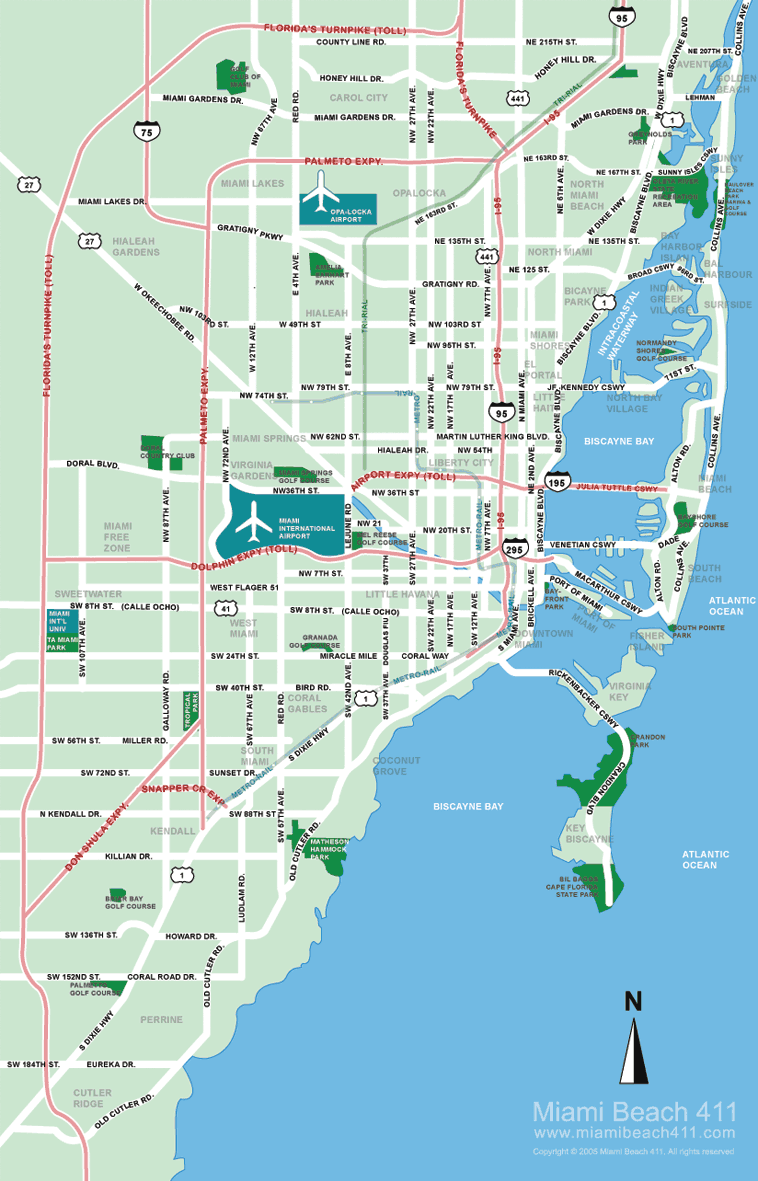 Miami Map United States Map Of Miami
 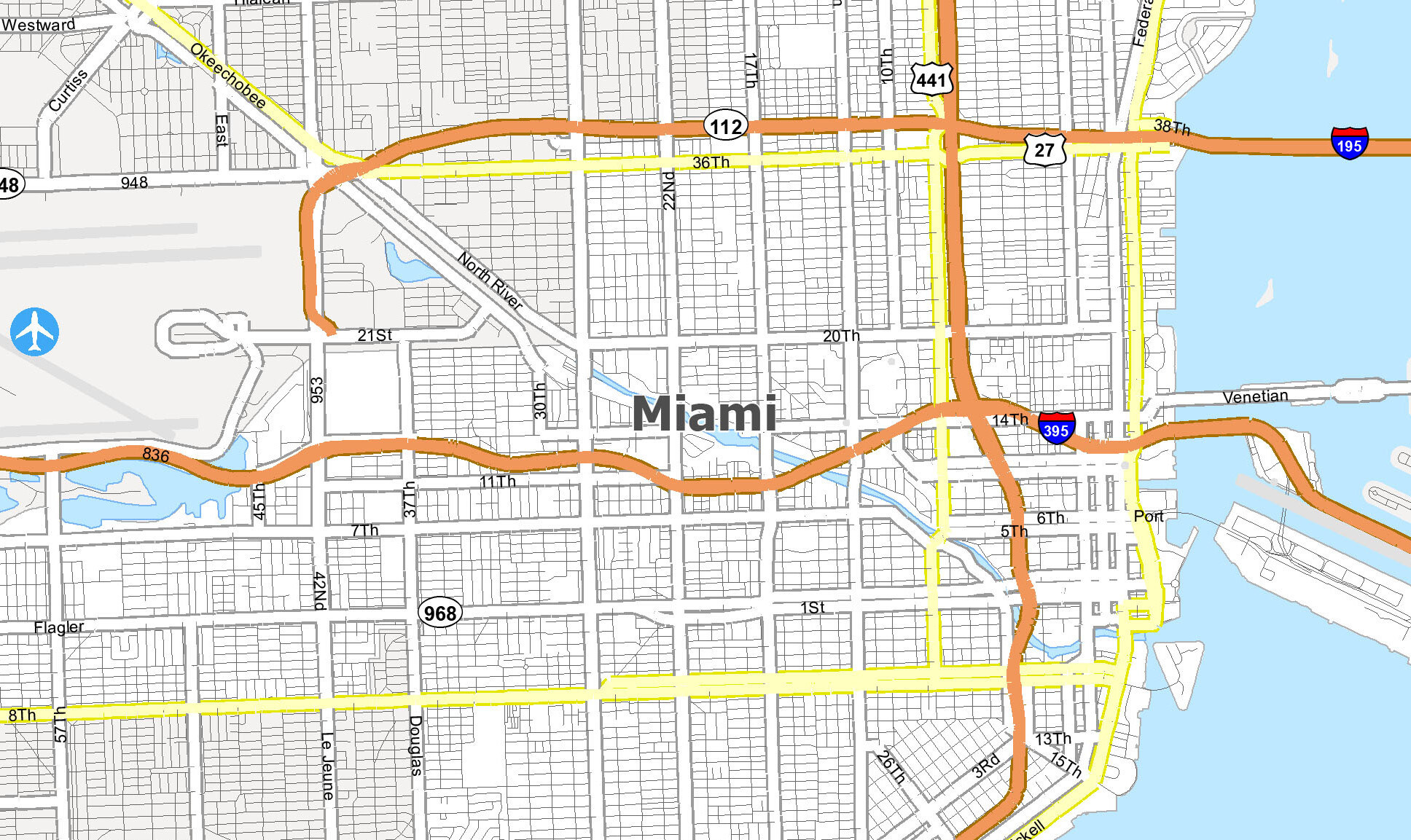 Map Of Florida Miami Area Maps Of Florida Miami Florida Map Gis Geography With Map Of Florida Miami Area
  Map Miami County Stock Photos Free Royalty Free Stock Photos From Geography Map Miami City Florida United States
  Miami Florida Us City Street Map Stock Download Image Miami Florida Us City Street Map
 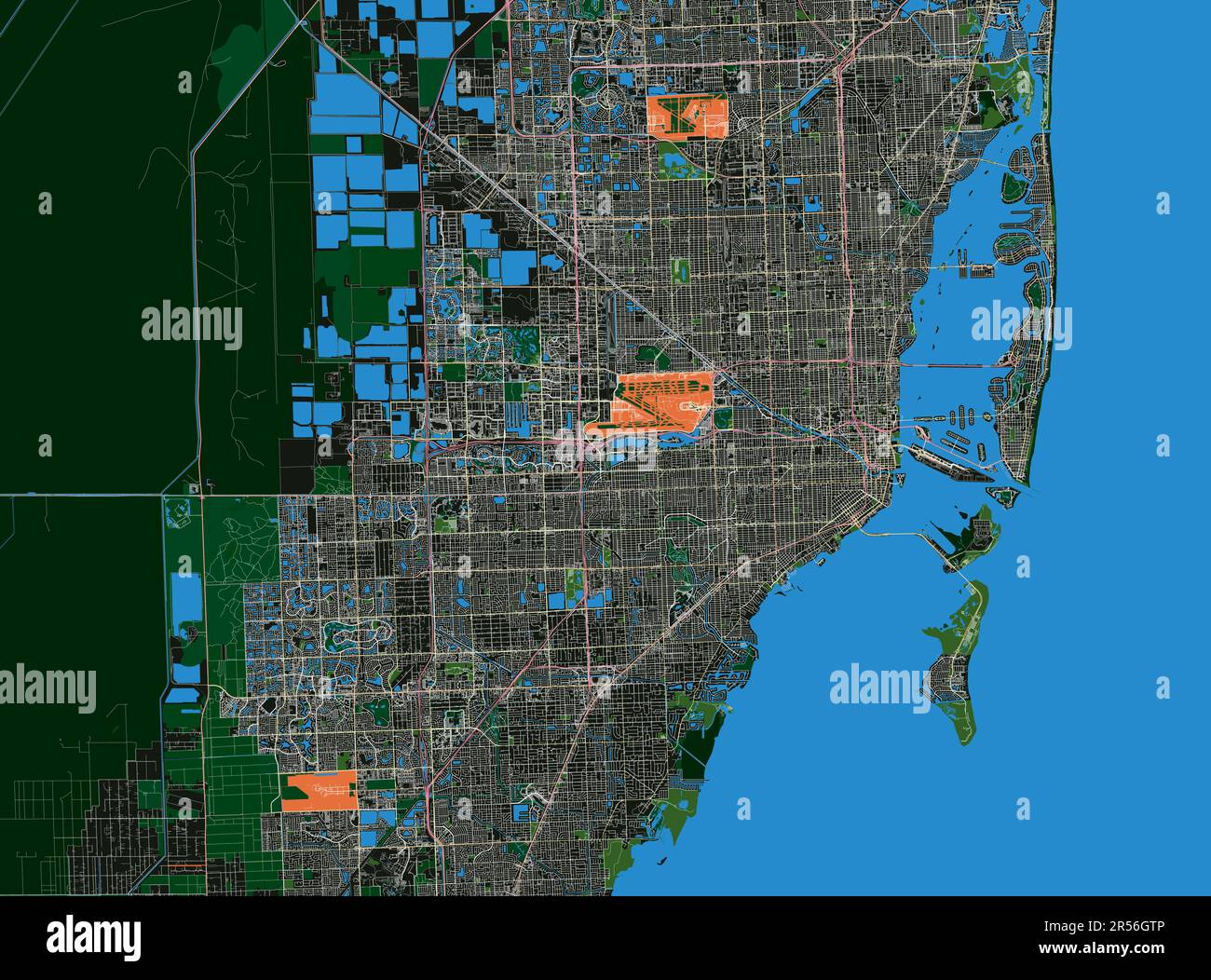 Street Map Of Miami Florida Vector City Map Of Miami Florida Usa RGTP
 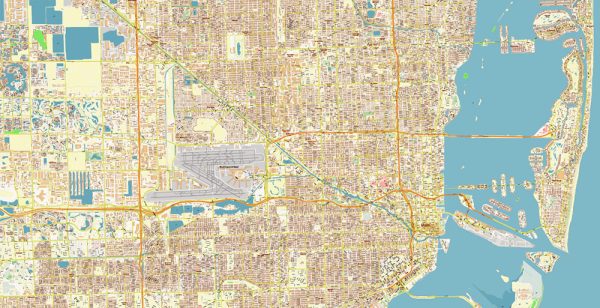 Miami Florida US Map Vector Exact High Detailed City Plan Editable Miami Florida Us Map Vector Gvlb Ai Ai Pdf x
 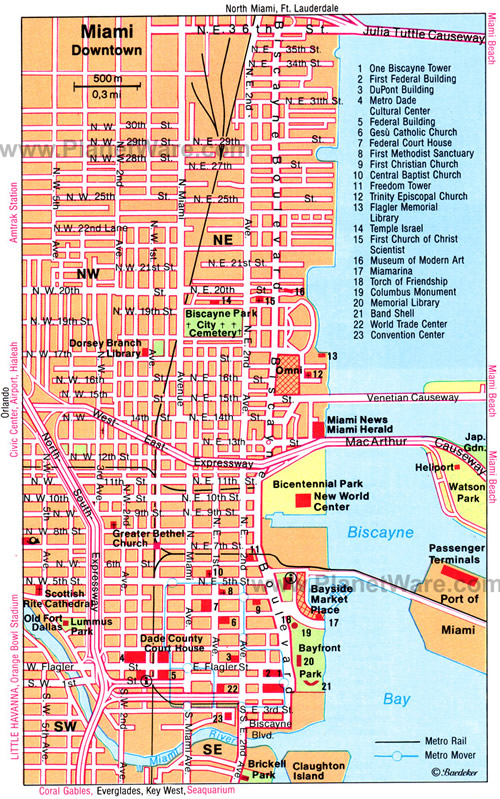 Miami Map United States Downtown Map Of Miami
 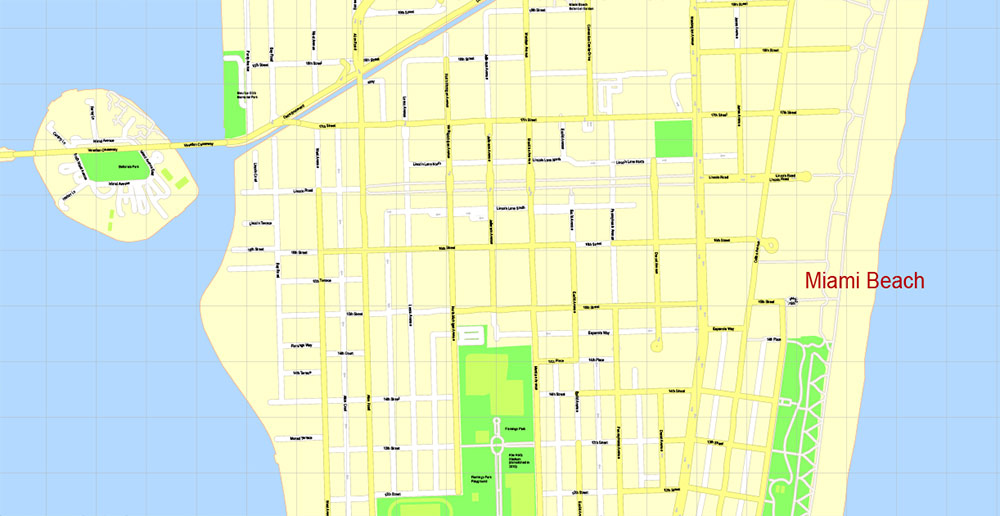 Miami Florida US Map Vector Exact High Detailed City Plan Editable Miami Florida Us Map Vector Gvl Ai Pdf Dwg Dxf
 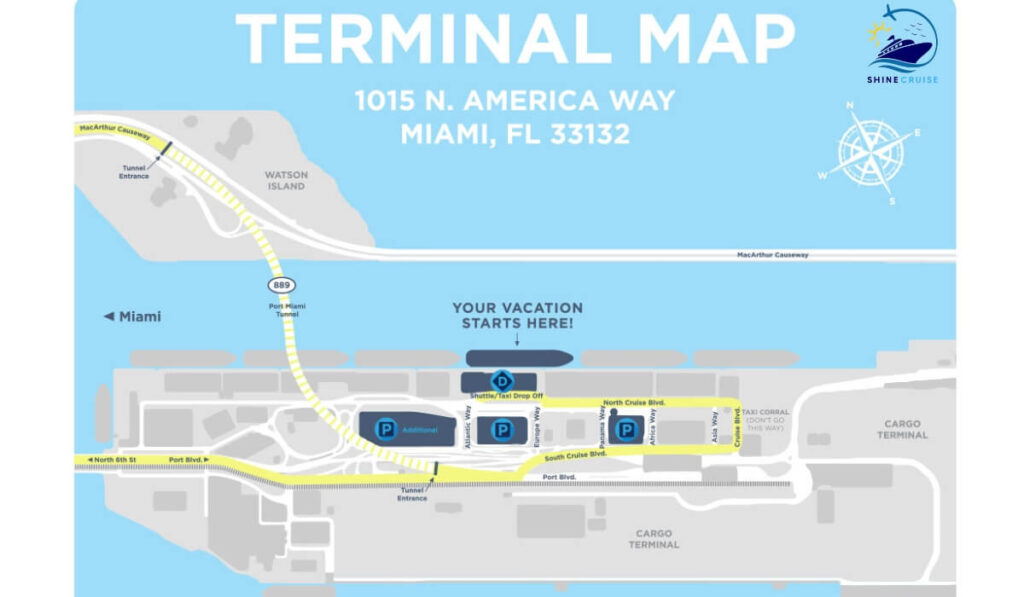 Miami Cruise Port Guide Hotels Airport Dining More Miami Cruise Port Map x
  Miami Florida Map Miami Map Florida
  Map Of Florida Colorful Map Of Florida